
How Much Does Reiki Healing Cost in Athens, GA?
A Reiki session in Athens, GA typically costs between $65 and $135 for a standard 60-minute session. Shorter 30-minute sessions run around $65-$75. Package deals can bring the per-session cost down even more. First-time visitors often get special discounted rates too.
Let me tell you about Sarah. She's a nurse at Piedmont Athens.
Works crazy long shifts. Her back hurts all the time. Her mind won't shut off at night. A friend told her to try Reiki. But Sarah had one big question - how much is this gonna cost me?
If you're like Sarah, you're not alone. I talk to people every week who want to try energy healing but don't know what to budget. Some websites show prices from fancy spas in New York. That's not helpful when you live in Athens!
Good news - Athens is way more affordable than big cities. We got lots of wellness folks here. Competition is good for customers like you. That means good prices for you. Let me break it all down nice and simple.

What Does Reiki Cost in Athens?
Okay so here's the deal. Prices in Athens are pretty fair compared to other parts of Georgia. Most people pay somewhere between $65 and $165 depending on what they need. It depends on how long you want your session to be and what kind of work you're getting done.
Athens Reiki Prices:
30 Minutes - $65 - $75 - First timers, quick relief
60 Minutes - $135 - Full body healing
90 Minutes - $165- Deep work, big stress
Ancestral Healing - $222 - Special energy work
Remember Sarah the nurse? She started with a 30-minute session. Cost her $65. She told me later it was the best $65 she ever spent. Said she felt lighter walking out than she had in months. Now she comes in every month for the full hour. Sometimes she even does the 90 minutes when work has been really rough.
Pro tip - ask about first-time deals! Most places in Athens give you a discount on your first visit. It's like a test drive. You get to see if you like it before spending a lot. Some places even throw in extra time or a free add-on for new clients.
I had a lady call me last week. Jennifer.
She teaches at Clarke Middle School. Been thinking about Reiki for two years but kept putting it off cause she thought it would be super expensive. When I told her our first-time pricing she laughed and said "that's less than my monthly Netflix and takeout!" Came in three days later.
Why Do Prices Change?
You might wonder - why does one place charge $65 and another charges $150? There's a few reasons and they're all pretty simple to understand once you know what's going on.
How Much Training They Have
Reiki has levels. Level 1, Level 2, and Master. A Reiki Master has years of training. They know way more than someone just starting out.
They've worked on hundreds of people. They understand energy in ways beginners don't yet.
You pay more but you get someone who really knows their stuff. Think of it like this - would you pay more for a chef with 20 years of cooking or someone who just learned last week? Same thing with Reiki practitioners.
A good Reiki Master can feel what's going on in your energy before you even say anything. They know exactly where to focus. They can handle complicated stuff like trauma or deep emotional blocks. Someone at Level 1 is still learning and might not catch those things yet.
How Long Your Session Is
This one's easy. Longer session = more money. Makes sense right?
A 30 minute session is good if you just need a quick reset. Maybe you got a big presentation tomorrow and you're anxious. Or your neck is tight from sleeping weird. Quick sessions work great for specific problems.
But if you're carrying around months of stress - or even years of it - you might want 60 or 90 minutes.
More time means deeper healing. Your body needs time to relax first. Then the real work can happen.
I always tell people - your first session should be at least 60 minutes if you can swing it. You need time to settle in. Get used to the feeling. Let your guard down.
Thirty minutes goes by real fast when you're nervous.
Extra Stuff They Add
Some practitioners add crystals or nice smells or special sounds. Essential oils. Singing bowls. Guided meditation at the end. These extras can make things feel even better. They create a whole experience.
But they cost more too. If you're watching your budget, plain Reiki works great on its own. The extras are nice but you don't need them for healing to happen. The energy work is what matters most.

That said - if you like the spa vibe with all the fancy stuff, go for it! Some people really respond to the full sensory experience. It helps them relax deeper. Just know you have options depending on your wallet.
Where You Go
Going to someone's studio is usually cheaper. They got everything set up. You come to them. Simple.
If they come to your house, they gotta drive there and bring all their stuff. That takes time and gas money. So home visits cost more. Sometimes a lot more - like $50-75 extra.
But sometimes that's worth it. Like if you got little kids at home and can't find a babysitter. Or if you have mobility issues and can't drive easily. Or maybe you just feel safer in your own space for something new like this.
Most folks in Athens come to the studio though. It's nice to have a special place that's just for healing. Away from your normal life stuff.
Will Insurance Pay For It?
I wish I had better news here. Most insurance does not cover Reiki. They call it "alternative" medicine. Kinda frustrating when you know how much it helps, right? When you see people getting real results but insurance companies are like "nope, not proven enough."
But wait - there might be some ways around this. Let me share what some folks in Athens have figured out over the years.
HSA or FSA Accounts
You know those health savings accounts? The ones where they take money out of your paycheck before taxes? Some of them let you use that money for Reiki. You gotta check with your plan. Sometimes you need a note from your doctor saying you need it for anxiety or pain management. But it's worth asking about!
The IRS provides guidance on what types of wellness expenses may qualify for HSA/FSA accounts in their FAQ about medical expenses.
Since Reiki is not specifically addressed in IRS guidance, you'll need to check with your specific HSA/FSA plan administrator to see if they cover complementary therapies.
I had a UGA professor use her FSA for a whole year of sessions. Her doctor wrote a letter about her chronic stress and sleep problems. The FSA approved it. She got like 12 sessions paid for with pre-tax money.
Saved her probably $500 total.
Work Wellness Programs
Some jobs - especially at UGA and some of the bigger companies around Athens - give you money for wellness stuff. Like $300 or $500 a year to spend on gym memberships or therapy or massage or whatever.
This might cover Reiki! Ask your HR person. You never know till you ask. The worst they can say is no.
Major medical institutions, including Cleveland Clinic, offer Reiki as part of their integrative health programs. Cleveland Clinic describes it as "a safe, gentle, non-invasive form of natural hands-on, energy-based healing" that complements conventional medical treatments.
Just Budget For It
Most people just pay out of pocket. And honestly? It's cheaper than a lot of stuff we spend money on without thinking twice.
One session costs less than a nice dinner out. Way less than car repairs or vet bills or all those subscriptions we forget we have. And it does way more for your health than a steak dinner!
Think about what you spend on things that don't really help you. That daily coffee shop trip?
That's like $150 a month easily. Two Reiki sessions instead might change your whole life. Just something to think about.
Want to learn more? Meet our Reiki team and see how we can help you feel better.
My Master Training Journey

Two years into my practice, I finally completed Master training. Not because I needed it to be good at Reiki, but because I wanted to teach, to pass on what Maria had given me.
These days when someone asks what it takes to become a practitioner, I'm honest with them: getting trained isn't that hard. You can find weekend courses everywhere.
But finding quality training with clear lineage, in-person attunements, and a teacher who makes you wait and practice between levels? That takes some searching.
And really committing to this work, doing your own healing, showing up with integrity for your clients? That takes something else entirely.
The certificates on my wall are nice, but what actually qualifies me is the years of practice, the daily self-treatment I still do, and the respect I have for this tradition that's been passed down for over a hundred years.
How to Actually Become a Reiki Practitioner
If you're thinking about pursuing Reiki training yourself, here's the realistic pathway:
Finding a Teacher
Look for someone who:
-Can explain their training lineage clearly
-Requires in-person training (not just online videos)
-Has a structured curriculum
-Has been practicing for several years
The Realistic Timeline
From starting Level 1 to being ready for professional practice typically takes 1-3 years. Anyone offering "Reiki Master certification in a weekend" is a huge red flag.
Cost Breakdown
Prices vary by location and teacher, but typical ranges are:
Level 1: $150-$300
Level 2: $300-$600
Master Level: $1,000-$3,000+
Red Flags to Avoid
Be really careful of:
-Programs offering Master certification in just days or weeks
-Entirely online training with no in-person component
-Teachers who can't explain their lineage
-Programs that seem more focused on taking your money than quality training
How to Choose a Qualified Reiki Practitioner
Okay, so now you know the training levels. How do you actually evaluate if a Reiki practitioner is qualified when you're trying to book a session?
Minimum Qualifications to Look For
A professional Reiki practitioner should have:
-At least Level 2 certification
-Clear documentation of their training lineage
-In-person attunements (not just online courses)
-Some years of actual practice experience
Quality Indicators
Even better if they have:
-Membership in professional organizations like IARP or ICRT
-Continuing education credits
-Liability insurance
-Experience working with your specific concerns
Questions to Ask Before Booking
Don't be shy about asking:
-"What level are you certified at?"
-"Who was your Reiki teacher?"
-"How long have you been practicing?"
-"Do you carry liability insurance?"
-"What's your experience with [your specific concern]?"
Good practitioners will answer these questions easily and honestly. If someone gets defensive or vague about their credentials, that's a warning sign.
Warning Signs
Be cautious if a practitioner:
-Can't clearly explain their training background
-Claims credentials but admits training was entirely online
-Refuses to discuss their qualifications
-Got "Master level" certification really fast
Experience Counts
Sometimes years of practice matter more than certification level. A Level 2 practitioner who's been working with clients for 10 years probably has more skill than someone who rushed through Master level in a year.
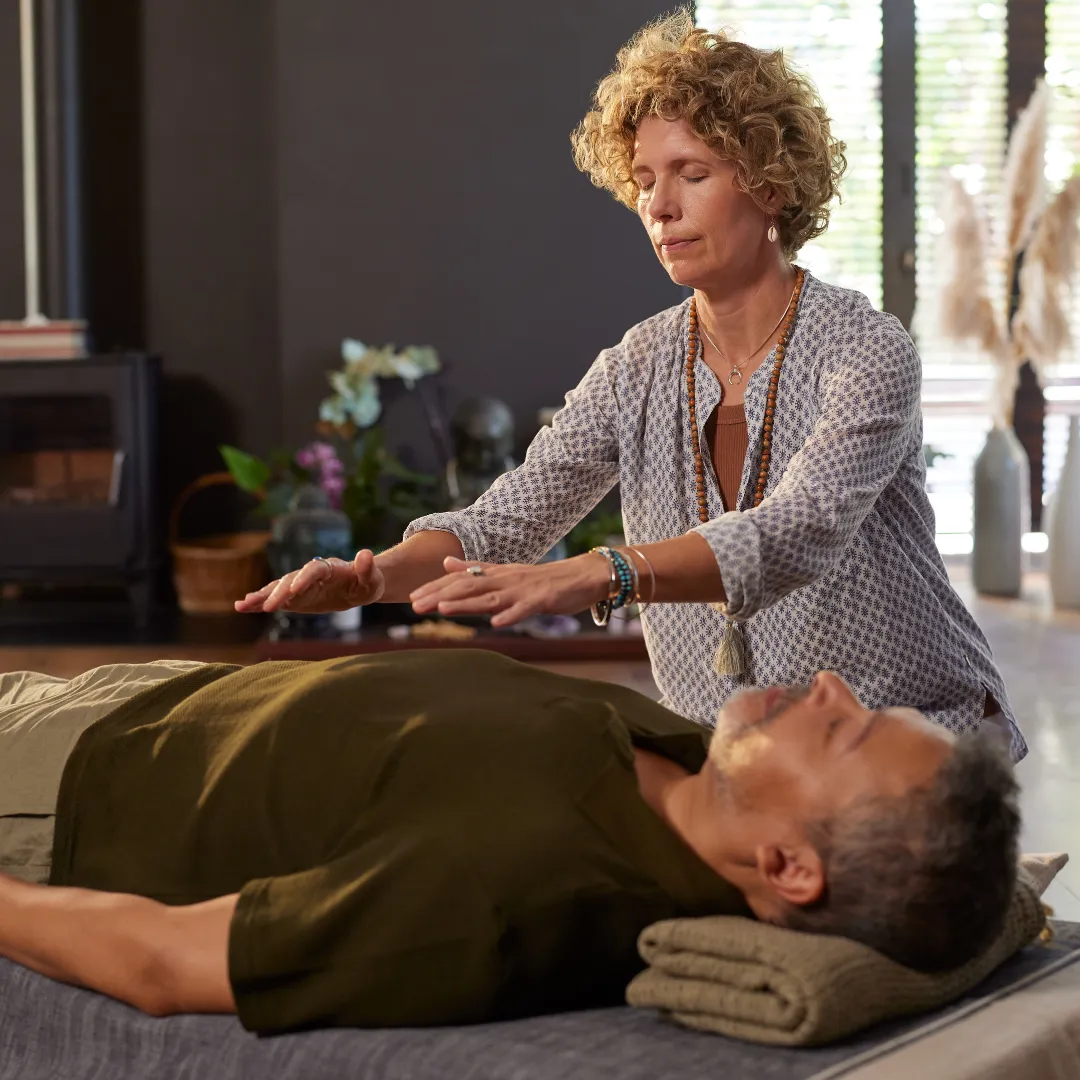
At The Body Temple Spa in Athens, you can see our practitioners' credentials, training backgrounds, and years of experience. We believe in transparency about qualifications because you deserve to know who's treating you.
The Bottom Line on Reiki Credentials
Here's the honest truth: Reiki doesn't have the same regulatory structure as other healing professions, which means you need to be a more informed consumer.
Look for practitioners with at least Level 2 certification, documented training lineage, in-person attunements, and actual practice experience. Membership in professional organizations and continuing education are good signs too.
Don't assume someone's qualified just because they call themselves a "Reiki Master" – ask about their training, how long it took, and who taught them.
And remember that years of practice often matter more than achieving the highest certification level quickly. A thoughtful, experienced Level 2 practitioner is better than someone who rushed through Master training.
Want to see our team's credentials and training?
Check out credentials of Athens Reiki therapists at The Body Temple Spa, or call us at (959) 400-9242 with questions.
We're at 2350 Prince Ave, Unit # 21,
open Monday-Saturday 8 AM–10 PM and Sunday 8 AM–6 PM.
We're happy to discuss our practitioners' backgrounds, training, and experience so you feel confident about who's providing your care.