
Areola Restoration in Athens, GA: A Confident Final Step in Recovery
Who Areola Restoration Is Designed For
Areola restoration is most often chosen by breast cancer survivors after mastectomy or reconstruction, though anyone with scarring, uneven pigment, or asymmetry from surgery may be a good fit. A short consultation is the way to find out, and every new client gets one free.
Most of the folks who sit down with us for this service have been through breast reconstruction after a mastectomy. The surgery rebuilds the shape, but it doesn't bring back color or texture. That gap is what we're here for.
We also see clients who had a lumpectomy with uneven scarring, or someone whose original areola faded and lost definition over the years. Some come to us with asymmetry between one side and the other, wanting things to look balanced again. And a few just want their confidence back after feeling disconnected from their own body for a long time.
So who isn't quite ready for this yet? If you're still healing from a recent surgery, your skin needs more time before pigment work. We ask that surgical sites be fully closed and cleared by your surgeon first, no exceptions. , if someone calls us too soon, it's because they're to feel whole again, and , we get it.
Not sure which category you fall into? That's pretty common, and it's exactly what the free consultation is for. We'll look at your skin, talk through your goals, and tell you whether now is the right time or if you need a few more months of healing first.
SCHEDULE TODAY
What the Areola Restoration Process Involves
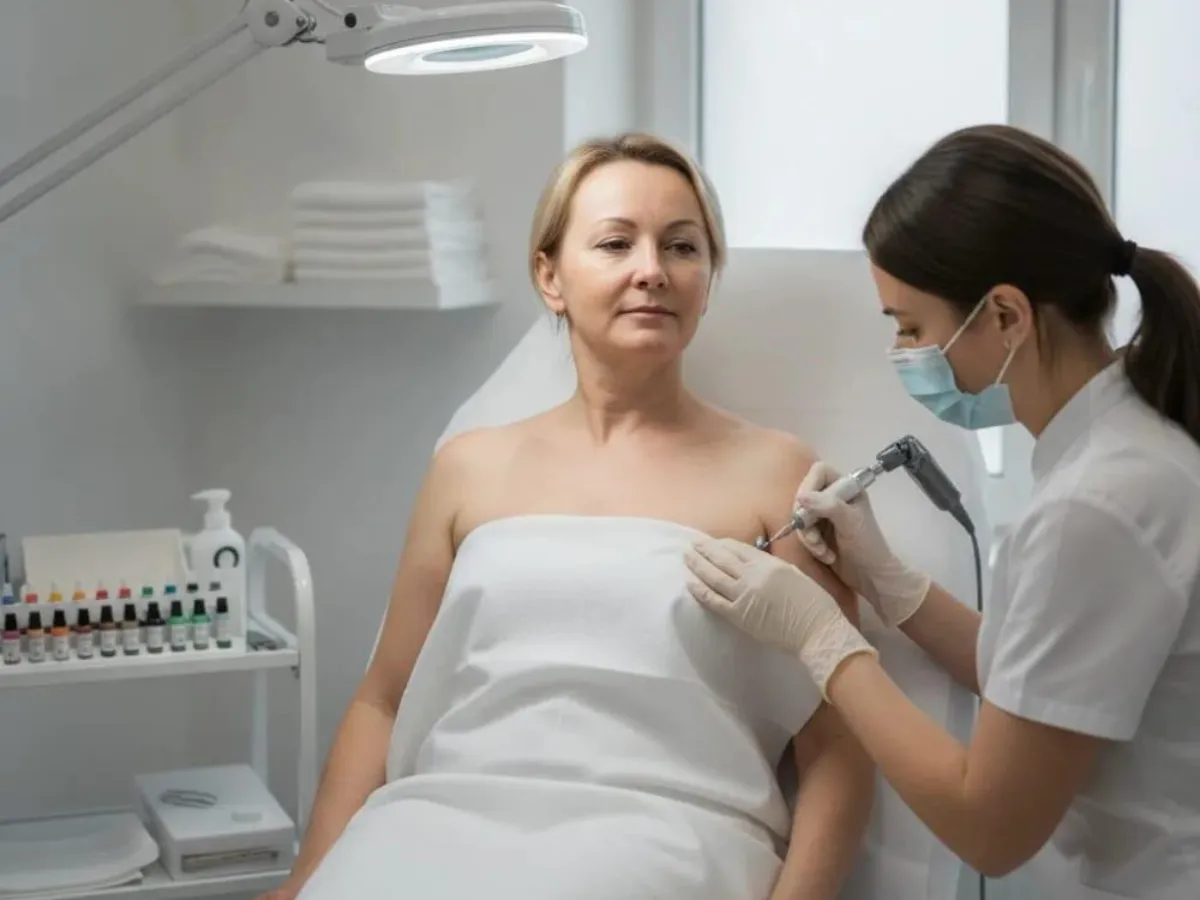
Let's walk through it together, because most of our clients come in with the same question. What happens during an appointment? We get it, this is personal work, and knowing the steps ahead of time makes everyone breathe a little easier.
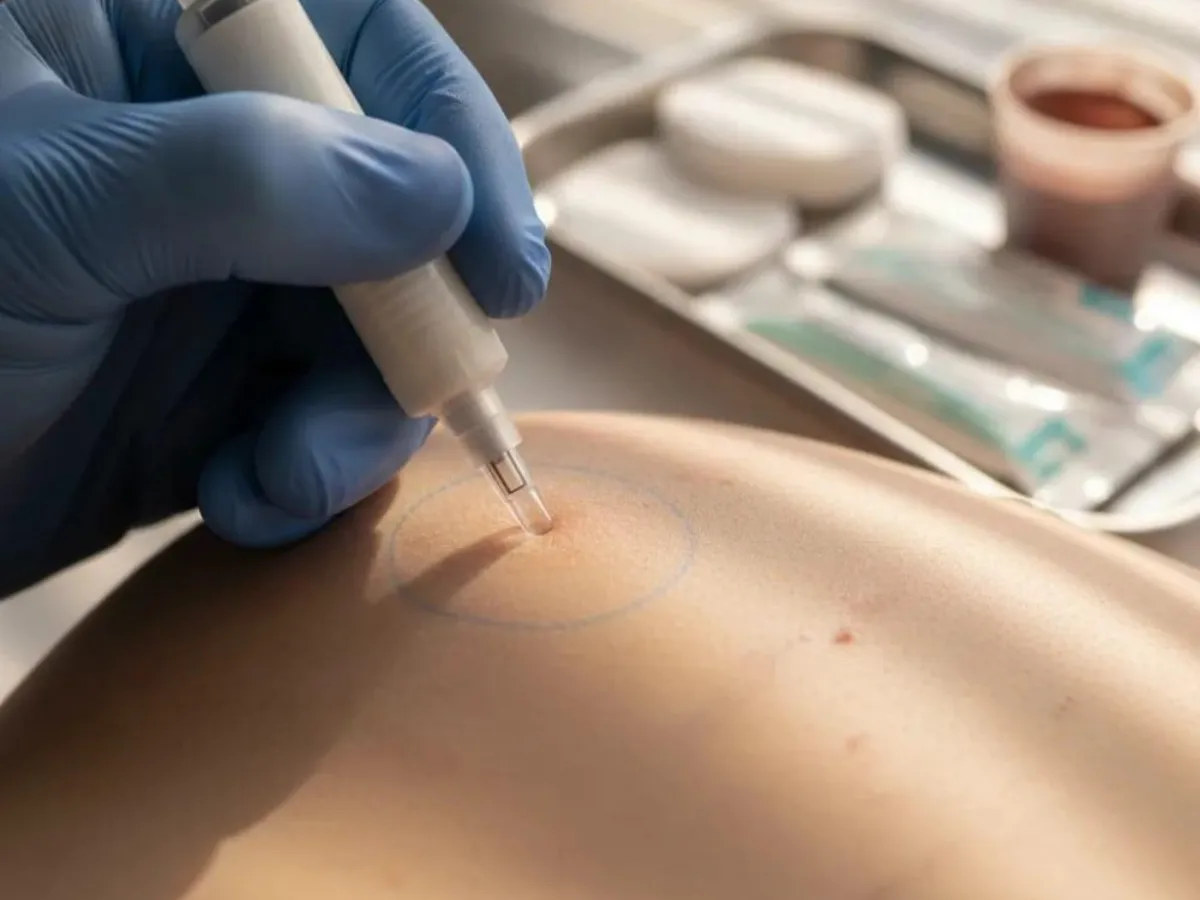
Areola restoration starts with a conversation, not a needle. We sit down and talk through what you want, what you've been through, and what your skin looks like now. Every case is different, scar tissue heals its own way, and we adjust our approach based on what we see in front of us.
.We review your skin, healing timeline, and any scarring or texture changes with you before touching anything
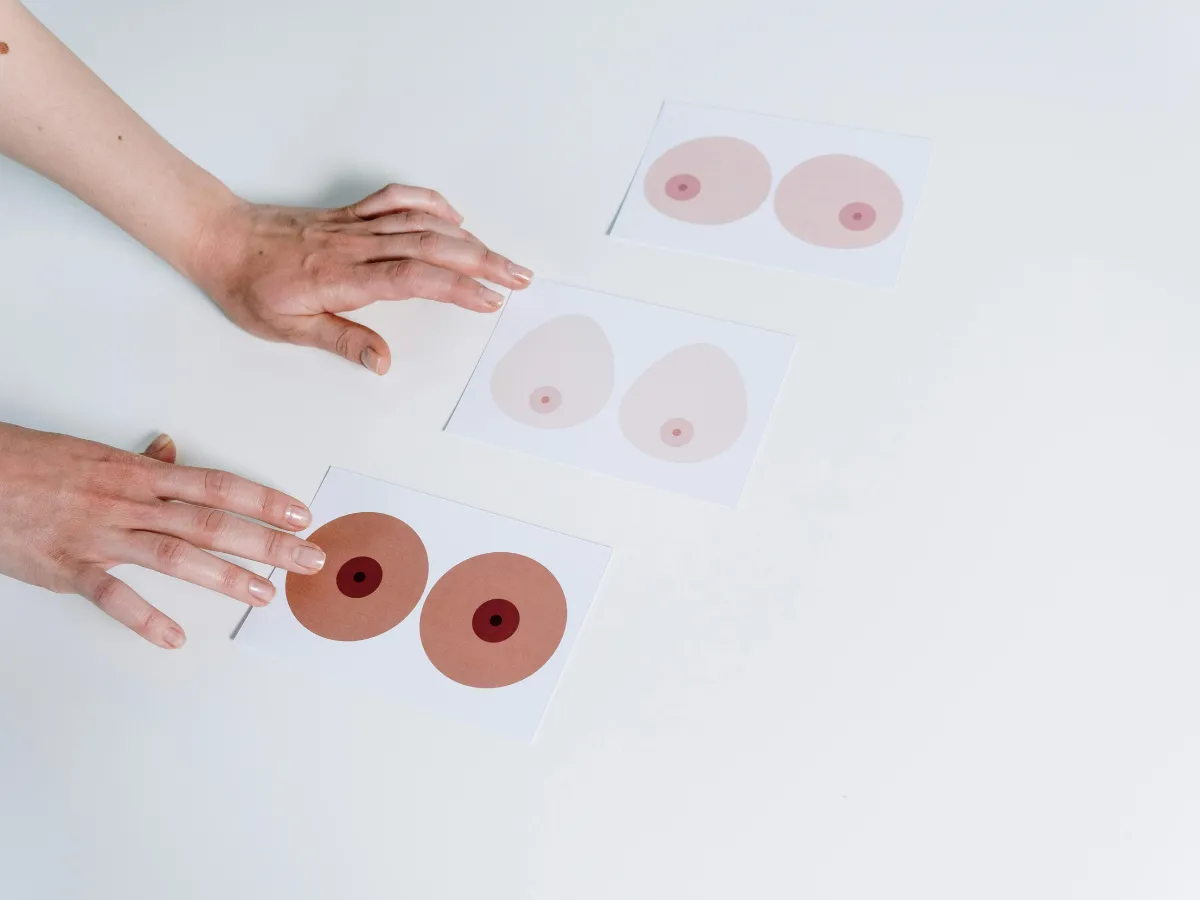
.We match pigment tones by hand, blending several shades to get as close to natural as possible
.We map out size, shape, and placement so both sides feel balanced, even if the starting point wasn't symmetrical
.We apply the pigment in slow, careful passes, checking color and shape as we go
.We go over healing care so you know what to expect the first few weeks
A single side runs about two hours. If you're doing both, plan for closer to three. That's not us rushing you out the door, it's just how long it takes to do this work with the attention it deserves.
Clients tell us the hardest part was deciding to come in, not the actual session. If you want to see how this fits with our broader offerings, our main service page walks through everything under permanent makeup.
The Body Temple Spa, 2350 Prince Ave, Unit #21, Athens, GA 30606, thebodytemplespas.com.
Why Recovery Support Matters Alongside Pigmentation
Here's something a lot of clients don't think about until after their session: the color is only part of the story. Your body still has to heal the skin underneath it, and that healing goes smoother when circulation is doing its job. Swelling, tightness, or a heavy feeling around the chest wall in the days after treatment is common. It's not a red flag, it's just tissue responding to new pigment and needle work.
This is where gentle lymphatic support can help. We offer Lymphatic Post Operation Treatment sessions built for exactly this kind of recovery, sessions run 30, 60, or 90 minutes depending on what your body needs. The work is light. Nobody is pressing hard on healing skin. It's slow, rhythmic movement that helps clear fluid buildup and can ease that puffy, tender sensation clients sometimes describe in the first week or two.
We're not saying every client needs this. Plenty of people heal just fine on their own, following simple aftercare and giving the area time. But if you've had other procedures before, chest surgery, lymph node removal, or you just tend to swell more than most, adding a recovery session can make the healing window feel shorter and calmer.
We always start new clients with a free consultation, so we can talk through your history and figure out if lymphatic support makes sense for you or if it's not necessary at all. No pressure either way, we just want you comfortable with the plan before you commit to anything.
When Areola Restoration Isn't the Right Step Yet
Here's the honest truth, timing matters more than most people think. If your surgery site is still healing, red, swollen, or scabbing, we're going to ask you to wait. Areola restoration works with pigment implanted into skin, and skin that hasn't finished its own repair work isn't ready for that.
Most surgeons want their patients to wait several months after mastectomy or reconstruction before any pigment work begins. We follow that same patience. Rushing this step doesn't save you time, it just risks uneven color or a longer healing setback.
.You're still within the first few months of surgical recovery and your surgeon hasn't cleared you for pigment work
.The area shows any sign of infection, unusual swelling, or skin breakdown
.You're on blood thinners or medications your provider hasn't approved for this kind of procedure
.You're pregnant or breastfeeding, since hormonal shifts change how skin holds pigment
.You haven't gotten a written release from your surgeon yet
We see this every single week, someone to move forward before their body has caught up. And we get it. After everything you've been through, you want this next step. But a short wait now protects the result later.
If you're not sure where you stand in your healing timeline, that's exactly what a consultation is for. We'll look at where you are, talk through your surgeon's notes if you have them, and tell you plainly whether now is the time or not.
Call to schedule your free consultation

How Areola Restoration Pricing Is Typically Structured
Areola restoration pricing across the industry usually depends on a few things, not just one flat number. Session length is a big one. A single side takes less time than a pair, and that time difference shows up in the cost. Most studios price by side versus pair for exactly this reason.
Skin condition matters too. Scar tissue from surgery behaves differently than undamaged skin, it can need more passes of pigment or a slower hand to get even color. Someone with more extensive scarring usually needs more time in the chair, which affects what a session runs.
Color matching is another factor. Getting a natural areola tone right, one that matches skin undertone and heals true, takes real skill. This isn't something you rush, and providers who take the extra time to test pigment and get it right are doing you a favor even if it stretches the appointment.
.Whether it's one side or a pair
.Amount and texture of scar tissue present
.Number of sessions needed for full color depth
.Touch-up or perfecting session included in the plan
.Consultation time spent on color matching before you ever get pigment on skin
Here's what we'd tell any client asking around, before you book anywhere, ask what's included in that price. Does it cover a follow up perfecting session? Is color correction separate? Those questions matter more than the number itself.
We always start new clients with a free consultation, no pressure, just an honest look at your skin and what you're hoping for. That's where we talk through what your specific restoration will involve, so there's no guessing later.
📍2350 Prince Ave, Uni # 21, Athens, GA 30606
☎️ +1 959-400-9242
All services online Booking: www.thebodytemplespas.com/services
Frequently Asked Questions
How soon after surgery can I get areola restoration in Athens?
Most surgeons ask patients to wait several months after mastectomy or reconstruction before starting pigment work. Your surgical site needs to be fully closed, healed, and cleared in writing by your surgeon first. Rushing this step can cause uneven color or a longer recovery setback. If you're not sure where you stand, our free consultation helps us figure out if you're ready or need more healing time.
What happens during an areola restoration appointment?
We start with a conversation, not a needle, talking through your goals and looking at your skin and healing timeline. Then we hand-match pigment tones, map out size and placement for balance, and apply color in slow, careful passes. A single side takes about two hours, and both sides together take closer to three. We go over healing care before you leave so you know what to expect.
Is areola restoration painful?
Most clients find the session more tolerable than they expected, since we work slowly and check in as we go. Some tenderness, tightness, or swelling around the chest is common in the days after, which is just tissue responding to the pigment work. Many clients tell us the hardest part was deciding to book, not the actual appointment itself.
Can areola restoration fix uneven or asymmetrical results from surgery?
Yes, asymmetry between one side and the other is one of the most common reasons people come to us. We map out size, shape, and placement carefully so both sides feel balanced, even if the starting point wasn't even. Every case is different since scar tissue heals its own way, so we adjust our approach based on what your skin looks like at your consultation.
Do I need to do anything special to help my body heal after pigment work?
Plenty of clients heal fine with simple aftercare, but if you've had chest surgery or lymph node removal, gentle lymphatic support can help. We offer Lymphatic Post Operation Treatment sessions in 30, 60, or 90-minute options to ease swelling and fluid buildup in the first week or two. It's light, rhythmic work, nothing pressed hard on healing skin. We'll talk through whether it makes sense for you at your free consultation.
How do I know if I'm a good candidate for areola restoration?
Most candidates are breast cancer survivors after mastectomy or reconstruction, but scarring, faded pigment, or asymmetry from any surgery can qualify you too. The clearest way to know is a short consultation, which every new client at our Athens location gets for free. We'll look at your skin, talk through your history, and tell you whether now is the right time.