
Nerve Entrapment Massage Treatment Plans in Athens, GA: Restore Mobility and Reduce Pain
If you got numbness, tingling, or shooting pain in Athens, GA, a trapped nerve might be the problem. At The Body Temple Spa, our licensed massage therapists make custom treatment plans that target trapped nerves and give you your life back.
We figure out what's causing your specific symptoms, find where the compression is, and use proven techniques to release pressure on affected nerves.
Located at 2350 Prince Ave, Unit # 21, we've been helping Athens residents find relief since 2020.
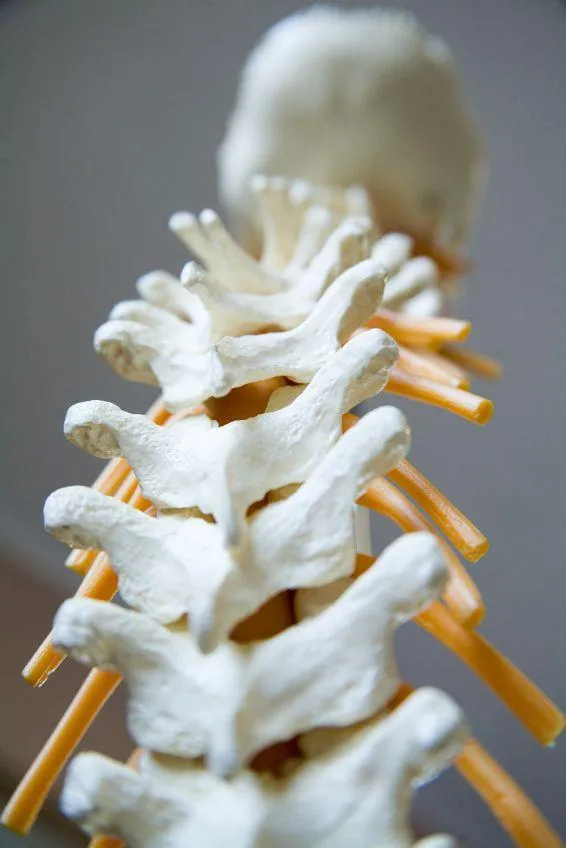
Massage Therapy Identifies Where Nerves Are Compressed in Your Body
For office workers at UGA and professionals in Athens, bad posture often leads to nerve compression. Our therapists use skilled touch to locate exactly where nerves are getting pinched, whether it's in your neck, shoulders, wrists, or lower back.
We're not just guessing. We're pinpointing the specific spots causing your symptoms.
Early detection makes all the difference. When you catch nerve compression before it becomes chronic, treatment works way faster and you avoid months of unnecessary pain.
Athens humidity can increase muscle swelling around nerves, especially during summer. Our therapists adjust there assessment techniques based on seasonal inflammation patterns we see in our local clients.
Finding the exact compression site means your treatment stays focused on what actually needs work. You're not wasting time or money on general massage that doesn't address the root cause.
Most clients start feeling better within the first few sessions once we've identified the problem areas.
Targeted Massage Techniques Release Pressure on Trapped Nerves

Residents throughout Athens, from Five Points to Normaltown, come to us with carpal tunnel, sciatica, and thoracic outlet syndrome. We use trigger point therapy, myofascial release, and nerve gliding techniques to break up the muscle bands trapping your nerves.
The results speak for themselves:
Many clients notice reduced tingling and numbness within 1-3 sessions
Blood flow returns to compressed areas
Muscle spasms calm down
That constant "pins and needles" feeling starts to fade
We apply sustained pressure to specific points, which might feel intense in the moment but brings real relief afterward.
Athens' active college-town population means we see a lot of sports-related nerve issues. Our therapists have specialized training in sports massage, making us equipped to handle nerve problems from everything , from cycling injuries to repetitive stress from Greek life activities.
We understand the specific movement patterns that cause nerve entrapment in active adults.

Treatment Plans Combine Multiple Sessions for Lasting Relief
One massage won't fix chronic nerve entrapment, it takes a structured approach.
For Athens clients with ongoing nerve pain, we typically recommend:
Twice-weekly sessions for the first month
Then taper down as your symptoms improve
This consistent schedule prevents setbacks and builds real progress over time.
Your therapist tracks changes in your pain levels, range of motion, and daily function at each visit. This documentation helps you see measurable improvement and makes insurance claims easier if your using FSA/HSA funds.
We're not just treating symptoms, we're monitoring your complete recovery journey.
Athens seasonal allergies cause inflammation that can make nerve compression worse, especially in spring and fall. If you're dealing with allergy-related swelling, your treatment plan might need a couple extra weeks. We adjust our approach based on what your body needs, not a rigid timeline.
Soft Tissue Work Restores Range of Motion After Nerve Compression
Long-term nerve entrapment steals your mobility. Athens residents lose the ability to reach overhead, turn their neck fully, or walk without limping.
Our therapists use fascial stretching and scar tissue breakdown to restore movement that nerve compression has stolen from you.
Within 4-6 sessions, most clients regain functional movement. We measure your progress with range-of-motion tests so you can see objective improvement.
Daily activities become possible again without shooting pain or numbness:
Lifting groceries
Typing at work
Playing with your kids
If you have been dealing with chronic pain, you can see our chronic pain treatment plan, and if it is causing your trouble sleeping our insomnia treatment plan
Older homes in neighborhoods like Cobbham and Brookwood Hills often don't have ergonomic features. If your workspace isn't set up right, you develop postural issues that trap nerves.
Our mobility-focused massage addresses these chronic patterns, but we'll also talk with you about preventing re-injury through better ergonomics at home and work.
Regular Massage Prevents Nerve Entrapment from Returning

Once you found relief, you don't want to go through it again!
Active adults in Athens schedule monthly maintenance sessions to keep muscles loose around vulnerable nerve pathways. This preventive approach stops minor muscle tightness before it pinches nerves again.
Who benefits most from ongoing care:
Athletes
Desk workers
Anyone with previous nerve issues
Your body will tell you when it needs attention, that familiar tightness starting to creep back in. Monthly sessions catch these warning signs early, so you avoid needing another full treatment plan.
Plus, regular massage reduces overall stress, which decreases muscle tension across your whole body.
Athens summers are brutal on muscles. The humidity increases dehydration and cramping, which makes nerve compression more likely. We see more nerve flare-ups in June through August, so maintenance massage during these months is especially important for our local clients.
Why 7 Weeks?
Allows for structured, progressive rehabilitation while addressing pain, inflammation, mobility, and strength.
Reduce pain and inflammation.
Relieve nerve compression.
Restore mobility and strength.
Prevent recurrence
Week 1–2:
Calm inflammation + identify patterns
Week 3–4:
Begin releasing chronic holding & repattern soft tissue
Week 5–6:
Improve nerve glide + activate healing posture/movement
Week 7:
Integrate, finalize maintenance tools or shift to monthly support
FAQ
How long does a nerve entrapment treatment plan take?
Most plans run 4-8 weeks with twice-weekly sessions at the start. As your symptoms improve, we taper to weekly visits, then monthly maintenance.
The exact timeline depends on how long you've had nerve compression and how severe it is. Chronic cases that have been building for years take longer than recent injuries.
Your therapist will give you a realistic timeline after your first assessment session.
Can massage help carpal tunnel syndrome?
Absolutely! Targeted massage of your forearm, hand, and wrist reduces pressure on the median nerve that causes carpal tunnel symptoms. We focus on the flexor muscles in your forearm and work the transverse carpal ligament.
Many clients avoid surgery by catching carpal tunnel early and committing to a massage treatment plan. If your waking up with numb hands or dropping things, massage should be your first step before considering more invasive options.
Do I need a doctor's referral?
Nope, you can book directly with us without a referral. However, if your symptoms appeared suddenly, are getting rapidly worse, or your experiencing weakness (not just pain), we may ask for medical clearance. Massage works great for most nerve entrapment, but some cases need medical imaging first. We'll be honest with you if we think you should see a doctor before starting treatment.
Which Athens areas do you serve?
We're located right in Athens at 2350 Prince Ave, Unit # 21 and we regularly see clients from Monroe, Winder, Statham, Commerce, Jefferson, Hull, Bishop, Bogart, Watkinsville, Colbert, Madison, and Winterville. If your wondering whether your too far out, you're probably not. People drive from surrounding areas because specialized nerve entrapment treatment isn't available everywhere. We're worth the drive.
When will I feel relief?
Most clients notice reduced tingling and pain after 1-3 sessions. That doesn't mean your healed, it means the acute inflammation is calming down.
Full relief typically takes 4-6 weeks of consistent treatment. Some people feel dramatic improvement right away, others have gradual progress. Either way, we track your symptoms so you can see your moving in the right direction.
What should I do between sessions?
Your therapist will give you specific homework based on your condition. Generally, this includes:
Gentle stretches to keep the area mobile
Warm compresses to increase blood flow
Staying hydrated to support tissue healing
Avoid positions or activities that triggered the problem in the first place. If sitting at a desk caused it, take breaks every 30 minutes. If it was repetitive motion, modify your technique.
Between-session care speeds up your recovery significantly.