What to Wear During a Full Body Massage in Athens, GA (And What Most People Actually Do)
The Simple Answer: You wear whatever feels okay to you. That's it. Really.
Some folks take everything off. Some keep underwear on. Some ladies wear a sports bra. All of it is totally fine. Your therapist uses a sheet to keep you covered the whole time. Only the part they're working on is uncovered. Everything else stays under the sheets.
At our spa here in Athens, we encourage clients to keep their underwear on to feel as comfortable as possible, and be protected.
Some people want to be totally undressed and you know what? That's perfectly okay!
Some people get more comfortable over time. Others never change what they do. Both ways work great.
I talked to one of our therapists about this last week. She told me she's been doing massage for 12 years. In all that time, she's never once judged someone for what they wore or didn't wear. She said "I just want people to relax. That's the whole point. If keeping your underwear on helps you relax, then keep them on."
Regardless of what the therapist does or doesn't recommend, the massage is for YOU. Do you!
My First Massage Was So Awkward
Let me tell you about my first massage. I almost didn't go. My neck hurt so bad from sitting at my computer all day. But I was so worried about having to take all my clothes off I almost cancelled three times.
I remember sitting in my car in the parking lot. My hands were sweaty. I kept thinking "what if I do this wrong?" I didn't know there wasn't a wrong way to do it.
I watched other people walk in and out. They all looked so calm. So normal. I wondered if they felt nervous the first time too. Probably they did.
Everybody does, I think.
When I finally went in, the therapist was so nice about it. She said "just undress where you feel comfortable." That's when I realized - oh, this is MY choice. Nobody was gonna judge me. I kept my underwear on for the first time. And it was totally fine.
The massage itself was amazing. All that worry for nothing. My neck felt so much better after. I remember driving home thinking "why did I wait so long to do this?"
Now I've been getting massages for years. I wish someone had just told me back then - there's no test. No right answer. Just do what feels okay for you.
How the Sheet Keeps You Covered
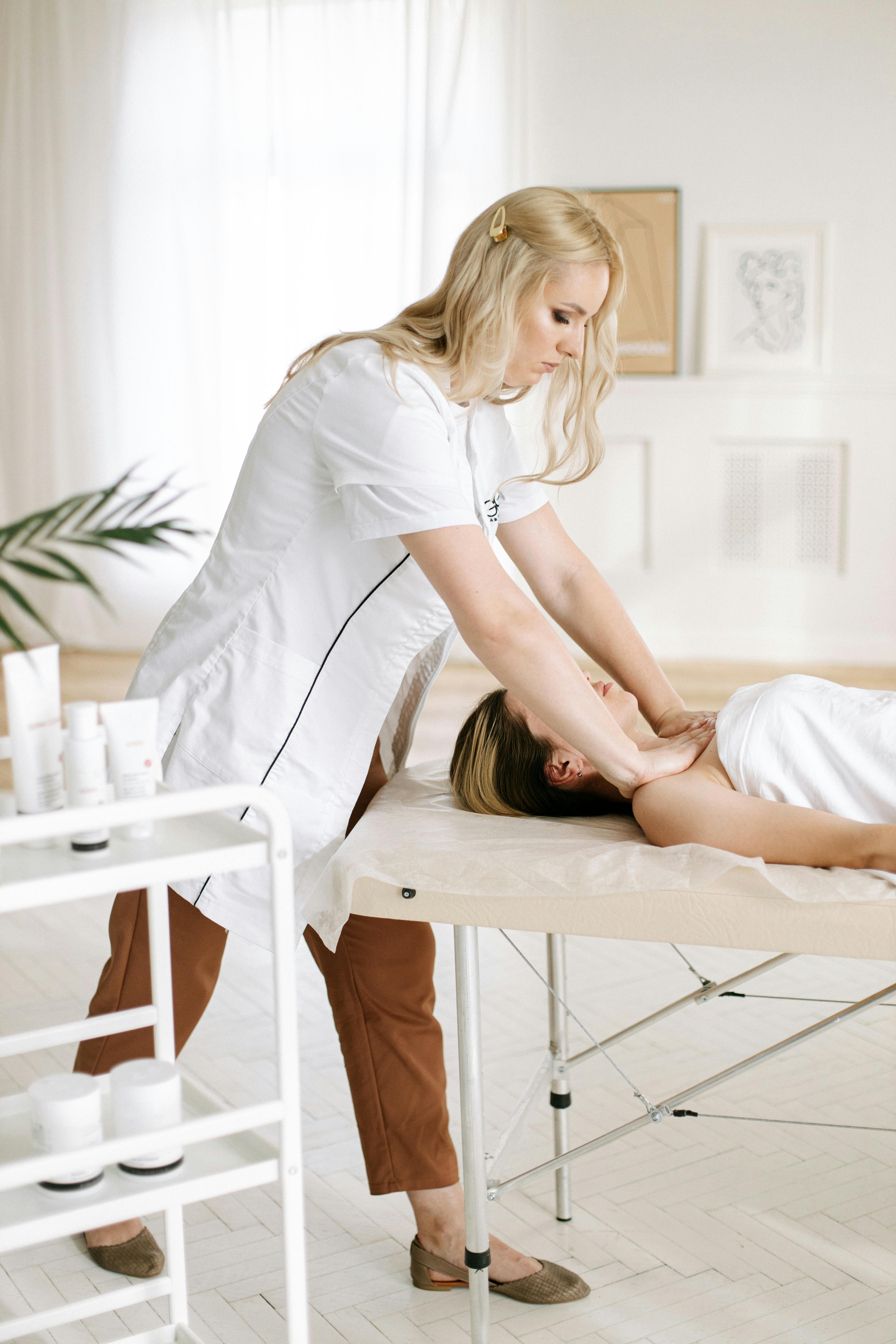
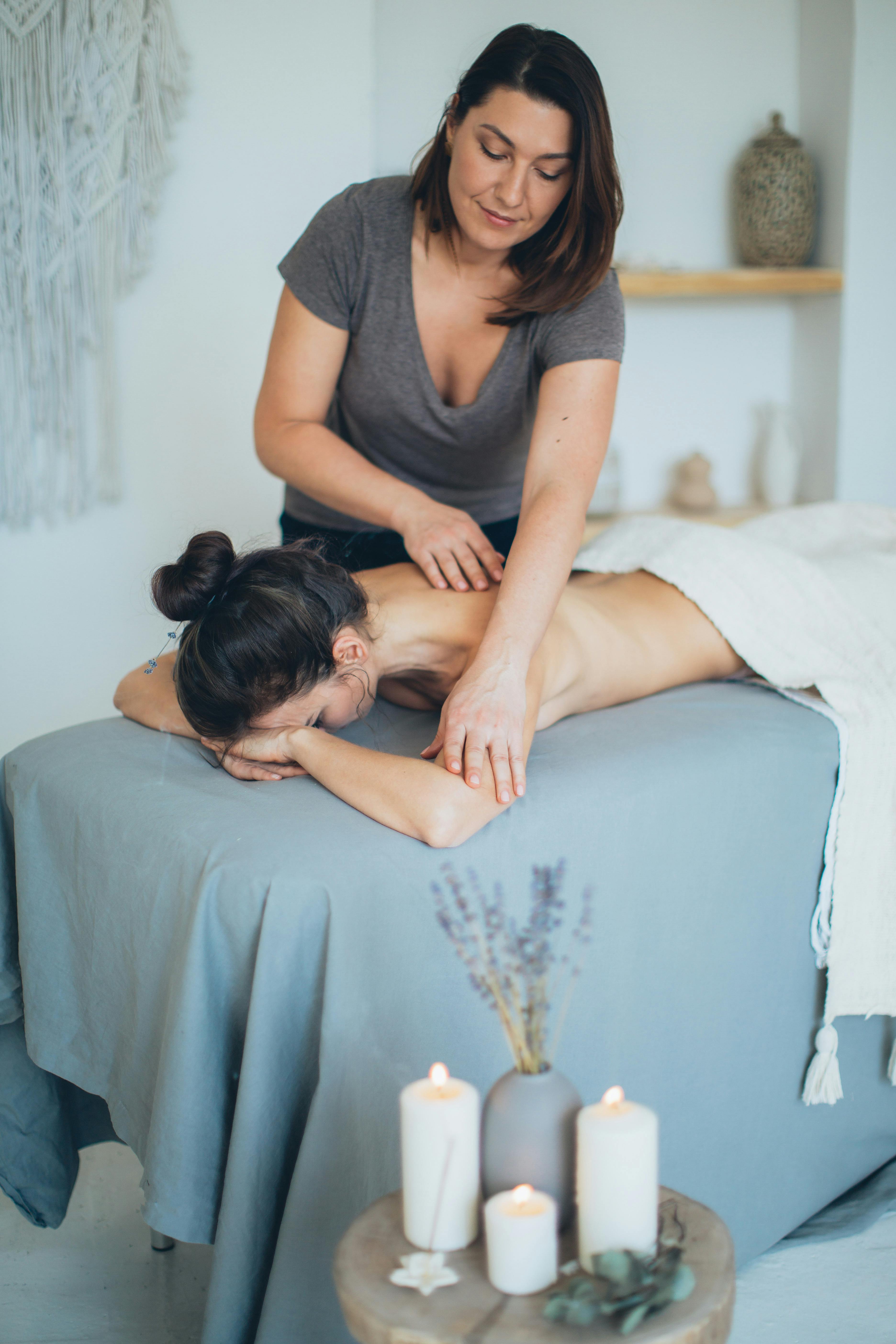
This is the part that makes it all work. It's called draping. Basically, you lay under a sheet the whole time. The therapist only moves the sheet to show the part they're working on right then.
Working on your back? Just your back shows. Moving to your leg? Your back gets covered up again. It's like a little tent that moves around with the massage.
I remember being surprised by how covered I felt. Before my first massage, I pictured myself laying there all exposed. That's not how it works at all. You feel snug under that sheet. Safe. Like being tucked into bed almost.
And here's the thing - this isn't just being nice. It's the law in Georgia. The Georgia Board of Massage Therapy says therapists must keep you covered properly. They learn this in school. It's part of their training. They practice draping techniques over and over before they ever work on a real client.
The American Massage Therapy Association says you should always be "draped appropriately by a sheet, towel or blanket, with only the area being massaged exposed." So if you visit any good spa in Athens, this is what they do. It's not optional. It's required, and this is what we do.
Some parts always stay covered no matter what. Private areas? Always covered. No exceptions ever. Chest area for women? Covered unless you ask for specific medical work there. If you're ever cold or want more coverage, just say so. Good therapists want you to feel safe.
One time I got a cold during a massage. My feet were freezing. I didn't want to say anything because I didn't want to be annoying. But finally I mentioned it. The therapist grabbed a warm towel and wrapped my feet up. She said "please always tell me if something doesn't feel right." I felt silly for waiting so long to speak up.
What Happens When You Get There
Knowing what to expect makes everything easier. So let me walk you through it real quick. Step by step. No surprises.
You show up. 15 min early is always good. Fill out a short form about your health and what areas bother you. This helps your therapist know where to focus.
Then you meet your therapist. They'll ask what you want from the massage. More pressure? Less pressure? Any areas to avoid? Any spots that really need work? This is your time to speak up.
They take you to your room. It's usually dim and quiet. Maybe some soft music playing. Smells nice usually.
Then they leave and close the door. Now you're alone.
You got a few minutes to yourself. Take off what you want to take off. Use the bathroom if you need to.
Get under the sheet on the table. The therapist will tell you if they want you face up or face down to start.
Take your time. No rush. Nobody is standing outside with a stopwatch.
The therapist will knock before coming back in. They might say "are you ready?" They never just walk in on you. Ever. Your privacy matters.
One client told me she was so nervous her first time that she got under the sheet still wearing her jeans.
The therapist was super kind about it. They just worked on her shoulders and arms that day. No judgement at all. She laughs about it now. She's been coming to us for three years since then.
Another client told me he forgot to take his socks off. Halfway through the massage he realized and felt embarrassed. The therapist just said "no worries, it happens all the time." And it does. People forget stuff when they're nervous. It's normal.
After the massage, they leave again so you can get dressed in private. Take your time. Sit up slow. Drink some water. You might feel a little floaty or relaxed. That's good. That's the whole point.
Then head out when you're ready. Schedule your next visit if you want. Or just say thanks and go. No pressure either way.
Questions People Ask Us All the Time
"What body parts do they massage?"
Usually your back, shoulders, neck, legs, arms, hands, and feet. Some therapists do your head and face too if you want. Scalp massage feels amazing by the way. Really helps with headaches.
You can skip any area that makes you uncomfortable. Just tell them.
Don't want them to touch your feet? No problem.
Don't like having your face touched? Totally fine. You're in charge.
"Can I keep my bra on?"
Yes! Sports bra, regular bra, whatever. They work around it. Some ladies start with it on, then feel okay having it unhooked later. Some keep it on the whole time. Both are fine.
If you keep your bra on, they might not get your upper back muscles as deep. But they can still do really good work. It's a trade off. Comfort versus access. You decide what's more important to you.
"Will oil mess up my underwear?"
Maybe. Massage oil can stain stuff. If you're keeping underwear on, wear an old pair you don't care about. Or bring fresh ones to change into after. Problem solved.
Some people bring a plastic bag for their oily underwear. Smart thinking. Then it doesn't get oil on anything else in your bag.
"What about my jewelry?"
Take off necklaces and dangly earrings. They get in the way when you're face down. Little studs are usually okay. And if you have long hair, bring a hair tie. Makes things easier for everyone.
Wedding rings are usually fine to keep on. But if your hands are getting massaged, you might want to take rings off so they can really work on your fingers.
"What if I fall asleep?"
That's totally fine! Happens all the time. Means you're relaxed. Your therapist will gently wake you when it's over. Some people snore. Some people drool a little. Nobody cares. Seriously.
"What if I have to use the bathroom during?"
Just say so. They'll step out. You wrap yourself in the sheet, do your thing, come back. No big deal. Better than laying there uncomfortable the whole time.
Finding Someone You Trust
When you trust your therapist, all that worry just goes away. So how do you find a good one?
First, make sure they're licensed in Georgia. That means they did at least 500 hours of training. They learned about draping, ethics, and how to be professional. The Georgia Board of Massage Therapy requires this. You can even look up licenses online if you want to check.
Second, read what other people say. Look for words like "comfortable" and "professional." That's what you want. If lots of people mention feeling safe and respected, that's a good sign.
Third, ask questions when you call. A good spa is happy to talk about how they keep you comfortable. If they seem annoyed by your questions? Find somewhere else. Your comfort matters. Anyone who doesn't get that isn't worth your money.
Our team at The Body Temple Spa has been helping Athens folks since 2020. We won the Fresha Best Spa award which we're really proud of. People come see us from Monroe, Winder, Watkinsville, Madison, Jefferson, and Bogart. We're always happy to answer questions before you come in. Call us anytime. No question is too silly.
One of our regular clients told me something that stuck with me. She said she almost never booked because she was so scared about the clothes thing. Now she comes every two weeks. She can't believe she almost missed out on feeling this good.
She told me her shoulders used to hurt all the time. Constant pain. She thought that was just normal life. Now she knows it doesn't have to be that way.
Another client is a nurse. She's on her feet all day. Her back was killing her. She put off getting a massage for two years because she was nervous. Two years of pain she didn't need to have. Now she says massage is the only thing that keeps her going.
According to Mayo Clinic, massage therapy is a powerful tool for stress reduction and pain relief, helping with conditions like chronic back pain, neck pain, anxiety, and depression. And the CDC emphasizes that managing stress is important for your overall health - which is exactly what our Athens clients tell us massage helps them do.
Massage is about feeling better. Letting go of that tight feeling in your shoulders. Finally doing something about that back pain that's been bugging you for months. Taking a break from all the stress. Giving yourself permission to relax for one hour.
You deserve that. Everyone does.
You dont need to stress about what to wear. Just wear what feels okay. Your therapist handles the rest. Thats literally their job. Let them do it.
First time visitors get a 60-minute Deep Recovery massage for $125. Want to bring your partner? Couples massage is $250 for 60 minutes. We also offer specialized treatments like deep tissue massage for those stubborn knots, Swedish massage for ultimate relaxation, and lymphatic drainage if you need it.
Looking for more than just a massage? Check out our hot oil body scrub treatments that leave your skin glowing, our facial spa services for complete skin rejuvenation, or explore our infrared sauna sessions for deep detox and recovery. View all our spa services to find what works best for you.
Call us at (959) 400-9242 or check out thebodytemplespas.com/services.
Were at 2350 Prince Ave, Unit # 21 in Athens.
You can schedule Monday through Saturday from 8 AM to 10 PM.
Sessions run from 8 AM to 8 PM. Sundays were open 8 AM to 6 PM.
Stop putting it off.
Your shoulders will thank you.
Your back will thank you.
Your whole body will thank you.