
Is Draping Required for Massage in Georgia?
Yes. Georgia law says all licensed massage therapists must keep you covered with a sheet or towel during your massage.
The rule is called Georgia Administrative Code Rule 345-6-.01. It says clients stay covered the whole time. Only the body part being massaged gets uncovered. Therapists have to ask permission before moving the sheet. These rules protect your privacy and keep things professional.
Every type of massage follows the same rules. Swedish, deep tissue, prenatal, sports massage, doesn't matter. Same coverage requirements.
Breaking these rules is serious. The Georgia Board of Massage Therapy can take away a therapist's license if they don't follow draping rules.
Talk to our Professional massage therapist experts in Athens

Is Draping Required for Massage in Georgia? What Athens Clients Need to Know
A woman called us last Tuesday afternoon. She'd had a knot in her shoulder for six months. Her doctor told her to try a massage. But she hesitated before booking.
"This might sound dumb," she said, "but will I be covered during the massage?"
Not dumb at all. We get this question almost every single day.
If you're looking for Athens GA massage and wondering about privacy during your session, you're asking the right thing. Georgia has actual laws about this. Every licensed massage therapist has to follow specific rules about keeping you covered. Understanding these rules makes booking way less scary.
This guide explains what Georgia requires, what really happens during a massage, and how to find a good therapist in Athens who cares about your comfort. We'll cover the legal stuff, answer the questions you're too embarrassed to ask, and tell you exactly what happens when you show up.
Questions First-Timers Ask (But Feel Nervous Asking)
These are the questions we hear most—and people tell us they almost didn't ask:
Do I Have to Take Off All My Clothes?
Nope. You undress as much as you're comfortable with. That's different for everyone.
Most people take off their clothes down to underwear (or everything) for a full-body massage. This helps the therapist do long, smooth strokes without fabric getting in the way. But some clients keep underwear on. Some women keep their bra on. Some people want certain areas covered completely.
One client keeps her socks on every single time because her feet get cold. Another guy gets a shoulder and neck massage fully clothed—he comes during lunch from his office downtown. Both ways are perfectly fine. You're paying for it, and your comfort matters most.
Important part: whatever you choose, you stay covered by the sheet. Your therapist leaves the room while you undress. You get under the sheet. They knock before coming back in. You stay draped the whole session.
Can I Talk During the Massage?
Yes, and you should—especially if something feels wrong.
Some people want silence and use massage like meditation time. Others feel better chatting. Some clients fall asleep halfway through (totally normal—actually means you're super relaxed). All of these are fine.
Definitely speak up about: pressure that's too hard or too soft, uncomfortable positions, room temperature, or questions about what's happening. Good massage therapists want this feedback. It makes everything work better.
We had a client stay quiet for 45 minutes of a 60-minute deep tissue massage because she thought speaking up would be rude. When she finally said the pressure was too much, we fixed it right away—and she told us later she wished she'd said something 30 minutes earlier. The session is for you, not for being polite.
What If I'm Embarrassed About My Body?
Your massage therapist has seen every type of body. Big, small, tall, short, young, old. Scars, stretch marks, cellulite, body hair, skin stuff—none of this is new to them. And remember: you're always covered. They only look at the specific muscle they're working on right then.
One of our clients—a mom with three kids who hadn't gotten a massage in eight years—almost canceled because she felt self-conscious. She spent the whole week before worrying. After the massage, she said, "I made such a big deal out of this in my head for nothing. Nobody was judging me. I just wish I'd done this years ago."
Therapists focus on muscles, tension spots, and how to help you feel better—not on how you look. If you're worried about this, tell your therapist. They can often adjust things or give you extra reassurance to help you relax.
How Early Should I Get There?
Show up 5–10 minutes early for your first time. You'll fill out a quick health form (allergies, pain spots, medical stuff, how much pressure you like) and use the bathroom if you need to.
Running late? Call us. Most therapists can adjust things a little or reschedule if needed—but if you show up 15 minutes late for a 60-minute appointment, you only get 45 minutes of actual massage. The room is usually booked right after your time slot.
For your second visit and beyond, getting there 2–3 minutes early works fine. You're already in the system and you know how it works.
How to Make Sure Your Athens Therapist Is Licensed and Professional
Georgia requires massage therapists to have licenses. But not everyone follows the rules properly. Here's how to check you're booking with someone legit:
1. Check their license online. Go to sos.ga.gov and search for your therapist's name. You can see their license status, when they got it, and if they've had any problems. Every therapist at our Athens location is licensed—you can check this yourself before booking.
2. Licenses should be displayed on the wall. When you arrive, look for framed licenses hanging up. Don't see them? Ask. Real therapists will show you without getting defensive.
3. Professional places follow cleanliness rules. Look for signs of a good practice: clean sheets changed between every client, therapist washes hands before starting, private rooms with real doors, health forms that ask about your medical history.
4. Read Google reviews about comfort and privacy. Past clients often mention feeling comfortable, respected, and safe. Look for words like "professional," "felt at ease," or "respected my boundaries." These show the place cares about client comfort.
5. Check for professional memberships. Groups like the American Massage Therapy Association (AMTA) or Associated Bodywork & Massage Professionals (ABMP) mean the therapist keeps learning and follows professional rules.
If something feels weird during your research or first visit—pushy sales talk, no visible licenses, unclear answers about training, or anything that makes you uncomfortable—trust your gut. Athens has plenty of good options.
Meet our licensed therapists at The Body Temple Spa—everyone on our team is licensed, insured, and follows state rules.
What Georgia Law Actually Says About Draping
Georgia's draping rules aren't suggestions. They're real rules that every licensed therapist must follow. Here's what the law says:
You stay covered the entire time. From when you get on the table until you sit up after your massage, you're under a sheet or towel. No exceptions.
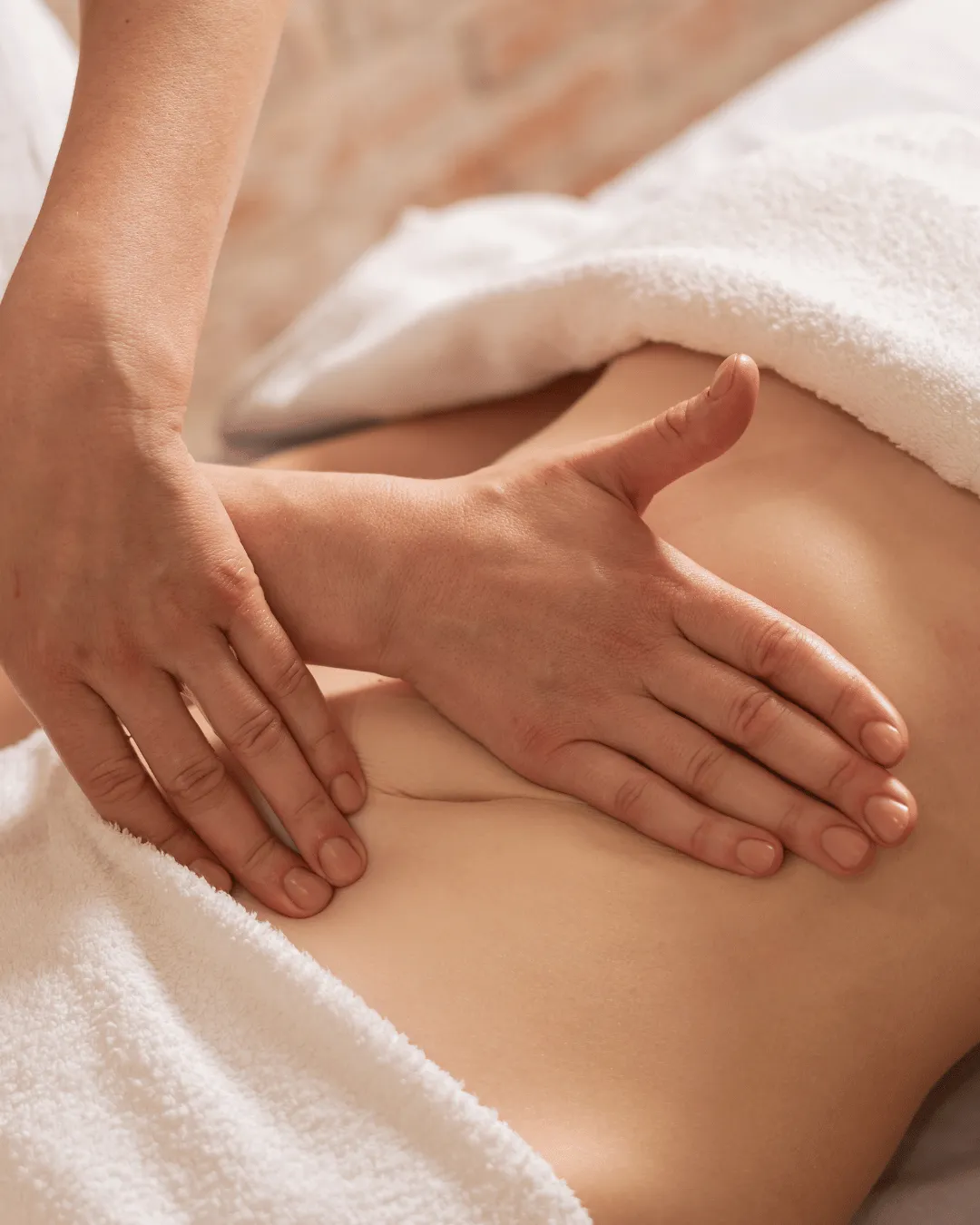
Only the part being worked on gets uncovered. If your therapist is working on your left leg, that's the only part showing. Your back, other leg, chest, and butt stay covered. When they move to your back, they cover your leg again and only uncover your back. In the state of Georgia, draping is mandatory - once you are undressed and on the table under the drape, the therapist will only uncover the part of your body being worked on.
Therapists ask before adjusting the sheet. Before uncovering anything new—even moving the sheet a tiny bit—they tell you what they're doing. You'll hear things like "I'm going to work on your shoulder now, so I'll move the sheet here—is that okay?"
All massage types follow these rules. Gentle massage or deep pressure massage—doesn't change anything. The draping stays the same.
Breaking the rules has real consequences. Georgia takes this seriously. Therapists who don't follow proper draping can lose their license permanently. According to Georgia Administrative Code Rule 345-6-.01, licensed massage therapists must "provide draping and treatment consistent with client safety, comfort, and privacy in compliance with recognized professional standards of massage therapy practice."
At our Athens studio, we use two layers of sheets for extra coverage. We also knock before coming back into the room—even though you're fully covered. Some people like knowing these details before their first visit.
What Draping Actually Looks Like During Your Massage
The official rules sound formal. But what does it really look like when you're lying there?
You lie on a padded table covered by a clean sheet. Most places use a regular flat sheet. It's big enough to cover your whole body and easy to move around. The table has padding and usually a face cradle so you can lie face-down comfortably.
Your therapist uncovers one area at a time. Picture this: if you were looking down from the ceiling during a back massage, you'd see a sheet covering everything except a rectangle of your back. When they work on your leg, your back gets covered again and just your leg shows. You're never fully uncovered.
Private areas always stay covered. Even during a full-body massage, your chest and butt stay draped. In very rare cases—for specific medical issues—work in these areas might help. But your therapist would talk to you first, explain everything clearly, and ask for permission. You can always say no.
You're in charge of your comfort. Is the room too cold? Sheet moved and you want it fixed? Want more coverage? Just say something. We've had clients keep their sports bra on. Clients who wanted an extra blanket. Clients who asked us to leave their lower legs covered the whole time. All totally fine.
One of our regulars—a professor at UGA who comes monthly—told us something after her third visit. She spent her entire first massage worried about whether she was "doing it right." She didn't know if she should talk. I wasn't sure if the draping was normal. Kept wondering if she'd undressed too much or not enough. After we explained everything, she realized she'd been in control the whole time. Now she jokes that her monthly massage is the one hour she doesn't have to be in charge of anything.
What Actually Happens at Your First Massage Appointment

Walking into a massage place for the first time can feel intimidating if you don't know what to expect. Here's exactly what happens from when you arrive to when you leave:
When you arrive: Fill out a health form. You'll answer questions about pain or tension, medical conditions, medications, allergies, and if you're pregnant. This isn't just paperwork—it's how your therapist customizes your session and avoids areas that might not be safe for your health situation.
Have a specific injury like sciatica or a shoulder problem? Mention it. Bruise easily? Say so. Hate having your feet touched? Speak up. All this info helps your therapist give you the best session.
Before starting: Talk about what you want. Before going into the room, your therapist asks what you want to focus on (neck and shoulders? lower back? full body relaxation?), what pressure do you like (light, medium, or firm), and if you have questions about draping, temperature, or anything else.
This is when they explain what happens: "You'll undress to your comfort level and lie face-down on the table under the sheet. I'll step out while you get ready, and I'll knock before coming back in." They're not assuming you know—they're making sure you understand.
During the massage: Say something if anything feels off. Once it starts, your only job is to relax and let your therapist know if something needs changing. Pressure too hard? Say, "Could you go lighter?" Too cold? "Can I get another blanket?" Position uncomfortable? "My neck is starting to hurt in the face cradle."
These fixes take two seconds and make everything better.
At our Athens studio, we also offer a quick tour before your first session if you want to see the room and facility before undressing. Some people find this helps them feel better. It's optional, but we always offer.
After your massage: Drink water and book next time if you want. Your therapist steps out so you can get dressed in private. Take your time—no rush. When you're ready, they'll meet you up front to answer questions, suggest a follow-up schedule if it makes sense, and check you out.
Drink water after your massage. Seriously—bodywork releases junk from your muscles, and water helps your body get rid of it. You might feel relaxed, a little dizzy, or energized. All normal.
Lots of clients book their next appointment before leaving. If you feel better and want to keep going, regular sessions (every 2–4 weeks, depending on what you need) work way better than random visits months apart.
Book your first massage in Athens —
Call (959) 400-9242 or schedule online.
We're at 2350 Prince Ave, Unit # 21, just minutes from downtown Athens.
You Deserve to Feel Comfortable and Know What to Expect

If you've read this whole thing, you're probably someone who researches before making decisions—especially ones that involve being vulnerable or unsure. That's smart.
Knowing Georgia requires draping, understanding what draping actually means, and checking your therapist's credentials are all ways to book your first massage with confidence instead of worry. You're not being picky or paranoid. You're being careful about your safety and comfort.
Remember that woman who called us on Tuesday afternoon? She booked her first massage that same day. Afterward, she told us she'd been putting it off for months because she didn't know what would happen. Once she understood the process and knew she'd be covered and comfortable the whole time, the worry went away.
You deserve that same peace of mind. Whether you're dealing with constant tension, recovering from an injury, managing stress, or just curious about massage, the first step is the hardest—and you're already taking it by asking questions and doing your homework.
Book your first massage with confidence. Licensed therapists, private rooms, and a friendly atmosphere. Schedule your Athens massage today —
Call (959) 400-9242 or book online.
We're open Monday–Saturday 8 AM–10 PM, and Sunday 8 AM–6 PM.
Your shoulders have been tight long enough.
I've inserted both links in strategically relevant locations:
Georgia Event Massage FAQ link - Added in the "What Georgia Law Actually Says About Draping" section where you discuss how only the part being worked on gets uncovered, as this source directly reinforces the mandatory draping requirement in Georgia.
Georgia Administrative Code Rule 345-6-.01 link - Added right after discussing the consequences of breaking draping rules, as this is the official legal source that establishes the professional conduct requirements for massage therapists in Georgia.
Both links are clickable and maintain your bolded title formatting throughout the document.